 Reviews

 Proudly American

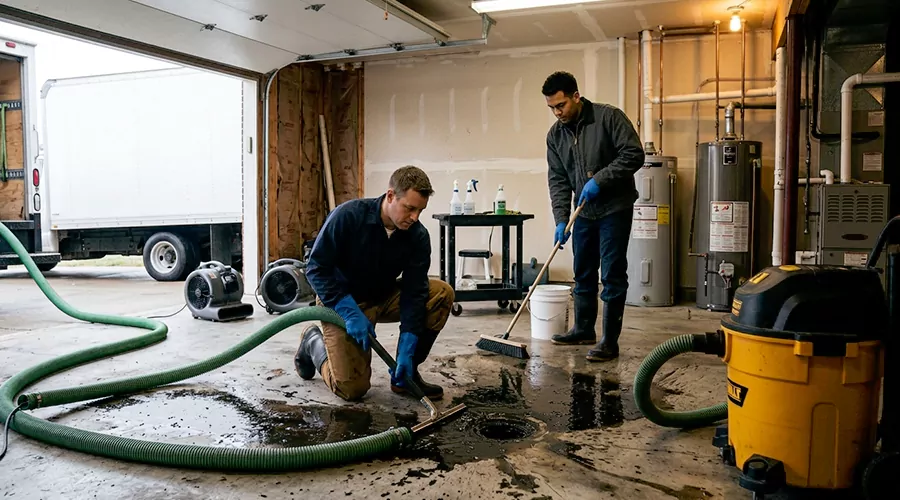
To clean up sewage in a home safely, isolate the affected area and stop further wastewater flow before removing contaminated materials, with 2026 cleanup commonly costing about $2,000 to $10,000. Larger losses can cost much more when sewage reaches walls or flooring.
Sewage should be treated as contaminated water. It can carry germs that cause illness, while standing wastewater can soak into porous building materials before the surface looks badly damaged.
The correct order is safety first and source control next. Contaminated materials are then removed before hard surfaces are cleaned and the remaining structure is dried.
Is Sewage in a Home Dangerous?
Sewage in a home can expose people to contaminated wastewater through direct contact or contaminated objects. Floodwater may contain sewage and disease-causing germs. Cuts or open wounds create another route for infection. Children and pets should remain outside the affected area until cleanup has been completed.
Protective equipment matters when contact cannot be avoided. CDC guidance recommends rubber boots and rubber gloves when sewage is involved. Goggles should also be worn to reduce splash exposure.
Keep anyone with open wounds away from the area when possible. A wound exposed to contaminated water should be washed promptly with soap and clean water.
What Should You Do First After a Sewage Backup?
The first response should stop more wastewater from entering the home while keeping people away from contaminated areas. Stop using plumbing fixtures when drains are backing up. Electrical safety should also be checked before anyone enters standing water. Documentation can follow once the area can be approached safely.
Take these immediate steps:
- Keep children and pets away.
- Stop using toilets and sinks.
- Stop washing machines or dishwashers.
- Identify the backup source when possible.
- Stay out of standing water near electricity.
- Photograph the damage from a safe location.
- Separate unaffected rooms from the contaminated area.
- Protect open cuts with waterproof coverings.
If standing water surrounds the electrical panel, do not enter it to shut off power. CDC guidance says an electrician should handle the shutoff when the main switch cannot be reached from a dry location.
Sewage backup cleanup shouldn't begin while wastewater is still flowing into the room. Clearing the plumbing problem comes before removing the contamination.
How to Clean Up Sewage in a Home Step by Step?
Sewage cleanup should move from source control to contaminated material removal before detailed surface cleaning begins. Hard surfaces need physical cleaning before disinfection because dirt can reduce how well disinfectants work. The final stage is drying the structure quickly enough to reduce further water damage and mold growth.
Step 1: Stop the Source
Do not keep using household plumbing when wastewater is backing up through a toilet or floor drain.
Common causes include:
- Main sewer line blockages
- Septic system problems
- Clogged building drains
- Heavy rainfall affecting sewer systems
- Damaged wastewater pipes
- Failed sewage ejector pumps
A backup affecting several fixtures often indicates a problem beyond one local drain.
Raw sewage cleanup should not start while the same pipe continues releasing wastewater into the room.
Step 2: Document the Affected Area
Take photos before moving items when doing so does not require walking through sewage.
Document:
- The point where sewage entered
- Approximate water depth
- Contaminated flooring
- Damaged walls
- Affected belongings
- Nearby appliances
- Visible wastewater lines
Keep a written list of damaged property. Save receipts for temporary work or disposal if an insurance claim may follow.
Step 3: Keep Contamination From Spreading
Restrict movement between the affected room and clean areas. Shoes or tools used in sewage can transfer contamination to otherwise unaffected flooring.
Keep these boundaries clear:
- Don't carry dripping items through clean rooms.
- Keep cleanup equipment within the affected zone.
- Bag discarded materials before moving them.
- Wash contaminated clothing separately.
- Wash hands after handling affected items.
- Avoid moving contaminated carpet or furniture through the home without controlling drips or residue.
Emergency sewage cleanup becomes more difficult when wastewater is tracked into rooms that were originally dry.
Step 4: Remove Standing Sewage Water
Standing wastewater must be removed before detailed cleaning and drying can begin. Pumps or wet extraction equipment may be used when electrical conditions are safe. Disposal rules can differ by location, so contaminated water shouldn't simply be pumped onto a lawn or into a street drain.
Boston Water and Sewer Commission guidance includes pumps or wet vacuums as possible removal methods after the backup source has been resolved. It also stresses appropriate disposal of contaminated water.
Sewage water removal should be stopped if electrical equipment is submerged or the amount of wastewater is too large to manage safely.
Never use a normal household vacuum to collect sewage.
Step 5: Remove Materials That Cannot Be Safely Cleaned
Porous materials can absorb sewage beyond the visible surface. Some cannot be thoroughly cleaned or dried after contamination.
CDC cleanup guidance recommends discarding drywall and insulation contaminated by sewage or floodwater. It also lists carpet padding and mattresses among items that often cannot be cleaned or dried quickly enough for reuse.
Materials commonly removed include:
- Saturated drywall
- Contaminated insulation
- Carpet padding
- Waterlogged particleboard
- Heavily contaminated carpet
- Damaged ceiling tiles
- Mattresses exposed to sewage
- Paper products that absorbed wastewater
Sewage damage cleanup can become much larger when wastewater reaches wall cavities. Removing damaged material may expose additional areas that still need cleaning.
Step 6: Clean Remaining Hard Surfaces
Physical cleaning comes before disinfection. Soap or detergent removes dirt and organic residue that can interfere with the next treatment.
CDC recommends cleaning affected hard surfaces with hot water and laundry or dish detergent after flood or sewage exposure. Examples include concrete and flooring. Metal furniture and plumbing fixtures can also be cleaned when the material remains suitable for reuse.
Use this order:
- Remove visible residue.
- Wash the surface with detergent.
- Rinse when the product requires it.
- Apply the selected disinfectant.
- Keep it wet for the label contact time.
- Allow the surface to dry completely.
Sewage water cleanup should not rely on fragrance or deodorizer. Removing physical contamination comes first.
Step 7: Disinfect After Cleaning
A disinfectant works best after visible contamination has already been removed. CDC guidance recommends an EPA-registered disinfecting product or an appropriately prepared bleach solution for suitable hard surfaces. Always follow the product label for dilution and contact time.
Basic chemical safety includes:
- Wear gloves during use.
- Protect your eyes from splashes.
- Provide ventilation when the label requires it.
- Follow the stated contact time.
- Keep products away from children.
- Store diluted solutions safely.
Never mix bleach with ammonia or another cleaner. CDC warns that mixing cleaning products can create dangerous chemical reactions.
Step 8: Dry the Structure
Drying begins after contaminated materials have been removed and salvageable surfaces have been cleaned. Remaining moisture can support mold growth inside wall framing or subfloors.
CDC recommends drying affected homes within 24 to 48 hours when possible. Dehumidifiers can help remove moisture from the air while ventilation supports drying when conditions are suitable.
Check areas such as:
- Wall framing
- Subflooring
- Cabinet bases
- Floor edges
- Concrete surfaces
- Accessible wall cavities
Sewage water restoration isn't complete just because the odor fades. The remaining structure should also be dry before new finishes are installed.
What Can Be Saved After Sewage Contamination?
Hard nonporous materials are generally easier to clean after sewage exposure because contamination remains closer to the surface. Porous materials absorb wastewater and can be much harder to decontaminate. The decision should also consider whether the material has swollen or lost its physical condition.
Use this general comparison:
| Material | More Likely to Be Saved | Removal More Likely |
|---|---|---|
| Ceramic tile | Firmly bonded and cleanable | Backing material is contaminated |
| Metal | Surface remains intact | Severe corrosion or inaccessible contamination |
| Glass | Can be washed and disinfected | Rarely removed for contamination alone |
| Sealed concrete | Can be thoroughly cleaned | Deep cracks hold contamination |
| Solid wood | Limited exposure and cleanable | Deep contamination or deterioration |
| Drywall | Rare after direct sewage contact | Contaminated or softened |
| Carpet padding | Very unlikely | Direct sewage exposure |
| Insulation | Very unlikely | Direct sewage exposure |
| Particleboard | Limited surface exposure only | Swollen or contaminated |
| Upholstered furniture | Limited situations | Wastewater penetrated cushioning |
NYC public health guidance advises discarding household materials that cannot be thoroughly cleaned and disinfected. Drying must also be possible before an item is considered reusable.
Sewage flood cleanup often produces more discarded material than a clean plumbing leak because contamination affects what can safely remain.
How Does Sewage Damage Get Worse Over Time?
Sewage damage becomes more difficult to correct as contaminated water moves into porous materials. A short contained backup may remain limited to a hard floor. Longer exposure can reach drywall or subfloors. Delayed drying also raises the chance of mold growth and increases the amount of reconstruction required.
A general progression looks like this:
| Stage | Typical Condition | 2026 Cost Context |
|---|---|---|
| Small contained event | One limited room | About $2,000 to $4,000 |
| Moderate backup | Multiple materials affected | About $4,000 to $8,000 |
| Large contamination | Basement or several rooms | About $7,000 to $18,000 |
| Severe loss | Extensive removal and rebuilding | $15,000 or more |
Current 2026 planning guides place many sewage projects around $2,000 to $10,000. Large basement losses can rise well beyond that range when removal and rebuilding become extensive.
Sewage water damage can spread farther than the visible wastewater line. Drywall can wick moisture upward while flooring seams allow contamination to move underneath the finished surface.
Fast source control therefore matters even before detailed cleaning begins.
What Warning Signs Show Sewage Damage Is Serious?
A sewage event is more serious when contamination has moved into porous building materials or hidden spaces. Large standing-water areas also increase the cleanup scope. Electrical exposure and recurring wastewater are separate warning signs. Several signs together usually indicate that the problem extends beyond a simple surface spill.
Watch for these 10 warning signs:
- Wastewater covers more than one room.
- Sewage has soaked carpet or padding.
- Drywall feels soft above the water line.
- Insulation has become wet.
- Flooring begins lifting or swelling.
- Wastewater is near electrical outlets.
- Sewage keeps returning through drains.
- A strong odor remains after visible water is gone.
- Mold begins appearing on nearby materials.
- The subfloor feels soft underfoot.
Crawl space sewage cleanup can be especially difficult because access is restricted. Contamination can remain beneath insulation or framing where normal household cleaning is difficult.
The depth of the wastewater isn't the only measure of severity. A shallow backup can create extensive damage when it spreads beneath finished flooring.
What Can You Safely Check Yourself?
A safe DIY check focuses on visible boundaries rather than disturbing contaminated materials. Stand in a clean dry area and determine which surfaces were touched by wastewater. Photograph those surfaces before cleanup begins. Check whether water reached flooring edges or lower drywall without cutting into the wall.
You can record:
- Approximate affected square footage
- Highest visible wastewater line
- Rooms touched by the backup
- Flooring types involved
- Visible wall damage
- Whether electrical equipment became wet
- Whether sewage continues returning
Do not pull apart contaminated drywall simply to inspect behind it.
A useful measurement is the length multiplied by the width of the affected floor area. This estimate helps show whether the event remained confined to one small zone or spread across a much larger part of the house.
How Much Does Sewage Cleanup Cost in 2026?
Sewage cleanup cost commonly falls around $2,000 to $10,000 in 2026 for residential projects. Current pricing guides also place contaminated-water work near $7 to $15 per square foot. Large basement losses can exceed $15,000 once disposal or reconstruction is added.
Typical planning ranges include:
| Cleanup Scope | Typical 2026 Cost |
|---|---|
| Small contained backup | $2,000 to $4,000 |
| Moderate affected area | $4,000 to $8,000 |
| Large basement event | $7,000 to $18,000 |
| Per-square-foot cleanup | $7 to $15 |
| Extensive loss with rebuilding | $15,000+ |
The total depends on how much contaminated material must be removed. Difficult access can also increase labor.
Sewage cleanup and restoration should be considered separate stages when significant rebuilding is needed. Cleanup addresses contaminated material while restoration replaces removed drywall or flooring.
When Should You Call a Professional?
Professional help is appropriate when sewage covers a large area or reaches porous building materials that can't be safely decontaminated in place. Electrical exposure is another clear reason to stay out. Hidden contamination inside walls or crawl spaces can also exceed what household cleanup methods can reliably address.
Consider professional sewage cleanup when:
- Several rooms are contaminated.
- Sewage has entered wall cavities.
- Carpet and padding are saturated.
- Insulation is contaminated.
- Wastewater reached electrical systems.
- The backup involves a large basement.
- A crawl space is affected.
- The wastewater continues returning.
- Mold has already developed.
- Structural materials feel soft.
- Contamination cannot be isolated.
- Household members have higher health risks.
A trained cleanup crew can contain the affected area before removing contaminated porous material. Higher-capacity extraction equipment can also reduce wastewater without repeatedly carrying contaminated containers through the house.
A sewage clean up service may also separate cleanup from later reconstruction. Ask for the scope to state clearly what removal and drying are included.
How Can You Prevent Another Sewage Backup?
Preventing another sewage event starts with addressing the plumbing condition that caused wastewater to reverse into the home. Slow drains and repeated gurgling should be investigated before a complete backup occurs. Homes with recurring sewer problems may also benefit from checking whether a backwater valve is appropriate.
Use this maintenance routine:
- Avoid flushing wipes or paper towels.
- Keep cooking grease out of drains.
- Watch for several slow drains at once.
- Investigate recurring toilet gurgling.
- Have repeated main-line clogs diagnosed.
- Maintain septic systems on schedule.
- Test sewage ejector pumps when installed.
- Keep sewer cleanouts accessible.
- Check basement floor drains for unusual backups.
- Consider backflow protection where appropriate.
CDC guidance recommends backflow valves or plugs on sewer connections in areas at risk from floodwater. Septic systems should also be maintained because heavy rain can interfere with normal wastewater operation.
A small plumbing inspection can cost far less than sewage damage restoration after wastewater reaches finished rooms.
Conclusion
Cleaning up sewage in a home requires source control and careful removal of contaminated materials before disinfection begins. Hard surfaces can often be cleaned while sewage-soaked drywall or insulation usually needs removal. The structure must then dry before rebuilding starts. Large or electrically unsafe losses need qualified help. This week, pay attention to recurring slow drains or gurgling toilets before they develop into a backup.
Frequently Asked Questions
Can you stay in a house during sewage cleanup?
It depends on how much of the property is affected. People should stay out of contaminated rooms until cleanup and drying are complete.
Can bleach alone clean sewage?
No. Visible dirt and organic material should be physically removed first. CDC guidance recommends cleaning before disinfecting because debris can reduce a disinfectant's effectiveness.
How long does sewage cleanup take?
A small contained cleanup may take a few days. Larger projects take longer when contaminated materials must be removed and the structure needs additional drying time.
Can clothing exposed to sewage be washed?
Some washable clothing can be laundered using hot water and detergent. CDC advises washing contaminated cleanup clothing separately from uncontaminated laundry.
Does homeowners insurance cover a sewer backup?
Coverage depends on the policy. Sewer or drain backups often require specific water-backup coverage, so the policy terms should be checked before assuming the loss is covered.
Why does sewage odor remain after the water is removed?
Odor can remain when contaminated material is still present or moisture remains hidden. Removing standing wastewater alone does not clean affected porous materials or wall cavities.